

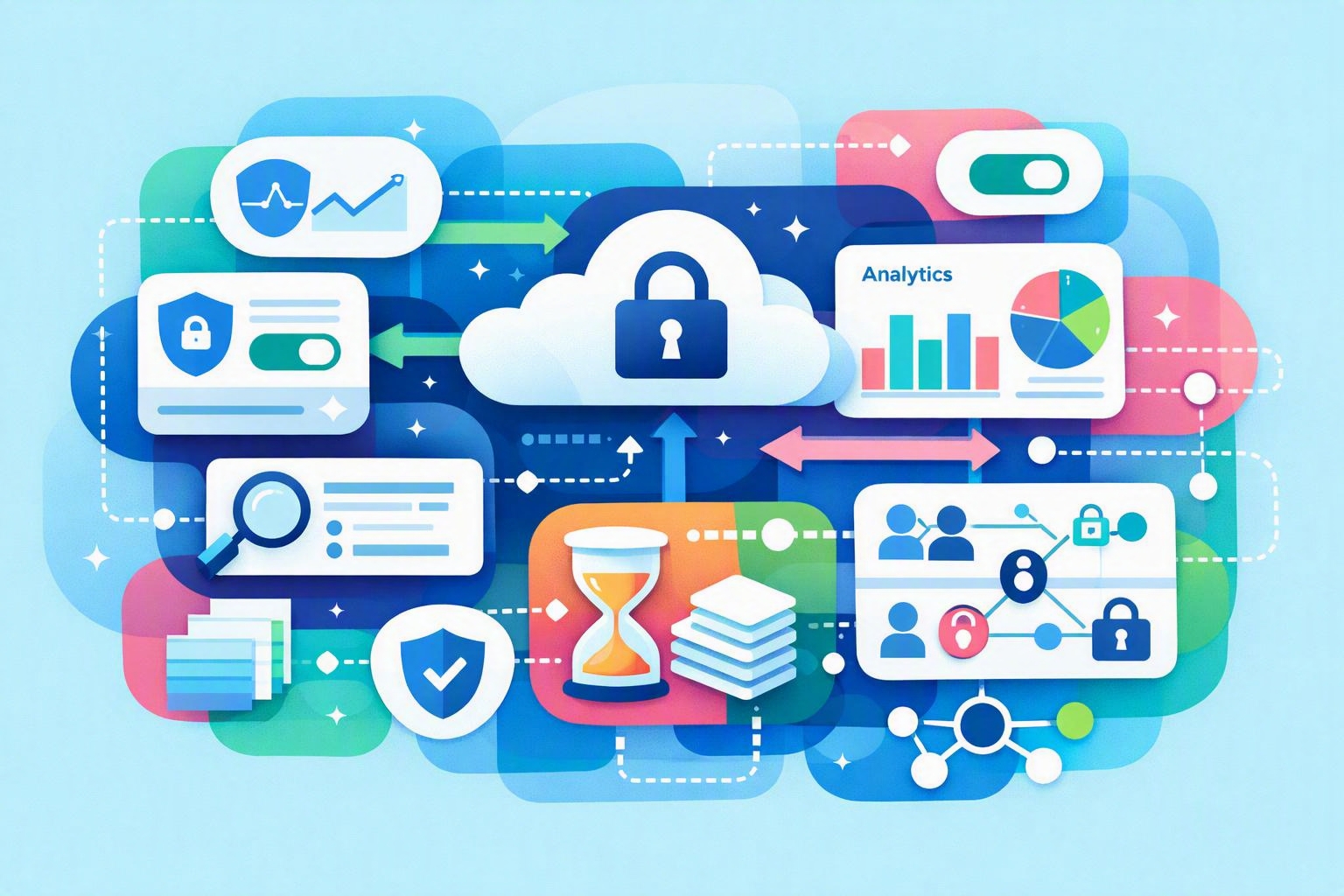
Keeping a SaaS platform GDPR compliant has become a core operational responsibility rather than a simple legal requirement. Customers increasingly expect transparent privacy controls, secure infrastructure, and clear explanations of how their personal information is collected and used before they trust a platform with sensitive business data. However, compliance becomes difficult when customer records are scattered across CRMs, analytics tools, support systems, billing platforms, and marketing software.
A practical GDPR strategy starts with visibility into your data flows and expands into consent management, retention policies, vendor oversight, and security controls. This guide explains how SaaS companies can build a sustainable compliance foundation while reducing operational blind spots through centralized systems and automated workflows.
Building a SaaS GDPR compliance Foundation
The first step toward GDPR compliance is understanding exactly what personal data your SaaS business processes. Many companies discover far more customer information across their systems than expected once they begin documenting user accounts, payment records, support conversations, analytics events, and application logs. Without a reliable data map, privacy policies and compliance workflows quickly become outdated.
Your data inventory should connect processing purposes, lawful bases, retention timelines, storage systems, and third-party recipients in one place. This creates the foundation for Records of Processing Activities and helps teams apply consistent handling rules across departments. Platforms such as MainFoundry simplify this process by centralizing operational workflows and documentation through custom workspace management tools.
“The biggest GDPR risk for many SaaS businesses is not missing a policy entirely, but allowing policies to drift away from real operational practices.”
Once your data map is complete, maintaining privacy notices becomes significantly easier. GDPR requires businesses to explain what data they collect, why they collect it, how long they retain it, and how users can exercise their rights. In practice, SaaS companies often struggle because new integrations, analytics platforms, or marketing automations are added without updating customer-facing documentation.
A centralized customer platform reduces that risk by creating a clearer operational audit trail. MainFoundry’s CRM and customer management system helps businesses track customer interactions, permissions, and processing activities across departments in a single environment.
Pro Tip: Maintain a continuously updated vendor registry that documents every provider handling personal data, including hosting companies, analytics platforms, and customer support tools.
Additionally, SaaS companies operating as processors need compliant Data Processing Agreements with both customers and vendors. These agreements should define security obligations, breach notification timelines, processing purposes, and sub-processor usage. Vendor oversight becomes especially important when infrastructure providers or third parties operate outside the European Economic Area.
How to Handle Consent, Retention, and Security
Consent management is one of the most visible parts of GDPR because users interact with it directly. Non-essential analytics and marketing scripts generally require explicit opt-in consent before activation. A compliant workflow should provide equal visibility for acceptance and rejection options while maintaining timestamped records of user preferences.
- Separate consent categories for analytics, marketing, and functional tracking
- Logged consent records with timestamps and preference history
- Simple mechanisms for users to withdraw or update permissions later
- Automatic suppression of tracking when consent is removed
Centralized systems make consent governance easier because permissions, marketing workflows, and analytics activity remain connected. For example, MainFoundry’s marketing analytics platform supports campaign attribution and event tracking workflows while improving visibility into permission management practices.
GDPR compliance becomes far more manageable when customer data, operational workflows, and retention controls are centralized instead of scattered across disconnected tools.
Retention management is another area where many SaaS businesses fall behind. GDPR requires organizations to retain personal data only for as long as it serves a legitimate purpose. Yet many companies continue storing inactive accounts, old support conversations, and analytics records indefinitely because deletion workflows were never automated.
A practical retention strategy defines timelines by category. Billing information may need to remain available for tax and accounting purposes, while marketing events or application logs often justify much shorter retention periods. MainFoundry’s operational automation capabilities help businesses configure recurring cleanup tasks, approval workflows, and audit tracking for deletion activities.
Security controls are equally critical because GDPR places heavy emphasis on protecting personal information against unauthorized access and breaches. Strong practices typically include encryption at rest and in transit, multi-factor authentication for administrators, role-based access restrictions, monitoring, and documented incident response procedures.
Businesses also need reliable breach detection and reporting processes that align with GDPR’s 72-hour notification requirement when applicable. MainFoundry’s security and compliance infrastructure supports centralized access management, audit logging, and operational oversight across customer data workflows.
Key Takeaways
Long-term GDPR compliance is an operational discipline that evolves alongside your product, vendors, and customer workflows. SaaS businesses that succeed usually maintain updated data maps, align privacy notices with actual processing activities, automate retention wherever possible, and regularly test DSAR and incident response procedures.
As your company grows, disconnected systems create compliance blind spots that increase operational risk. Consolidating CRM, marketing, reporting, and workflow management into a unified environment can improve accountability and simplify governance across teams. To learn more about compliance-focused operations, visit https://www.mainfoundry.com or contact the team at https://www.mainfoundry.com/contact.
Related Reading
Explore security and compliance infrastructure to strengthen governance, audit logging, and access management across your SaaS operations.