
SaaS Integration Challenges Solutions for Small Teams
 Jørgen Wibe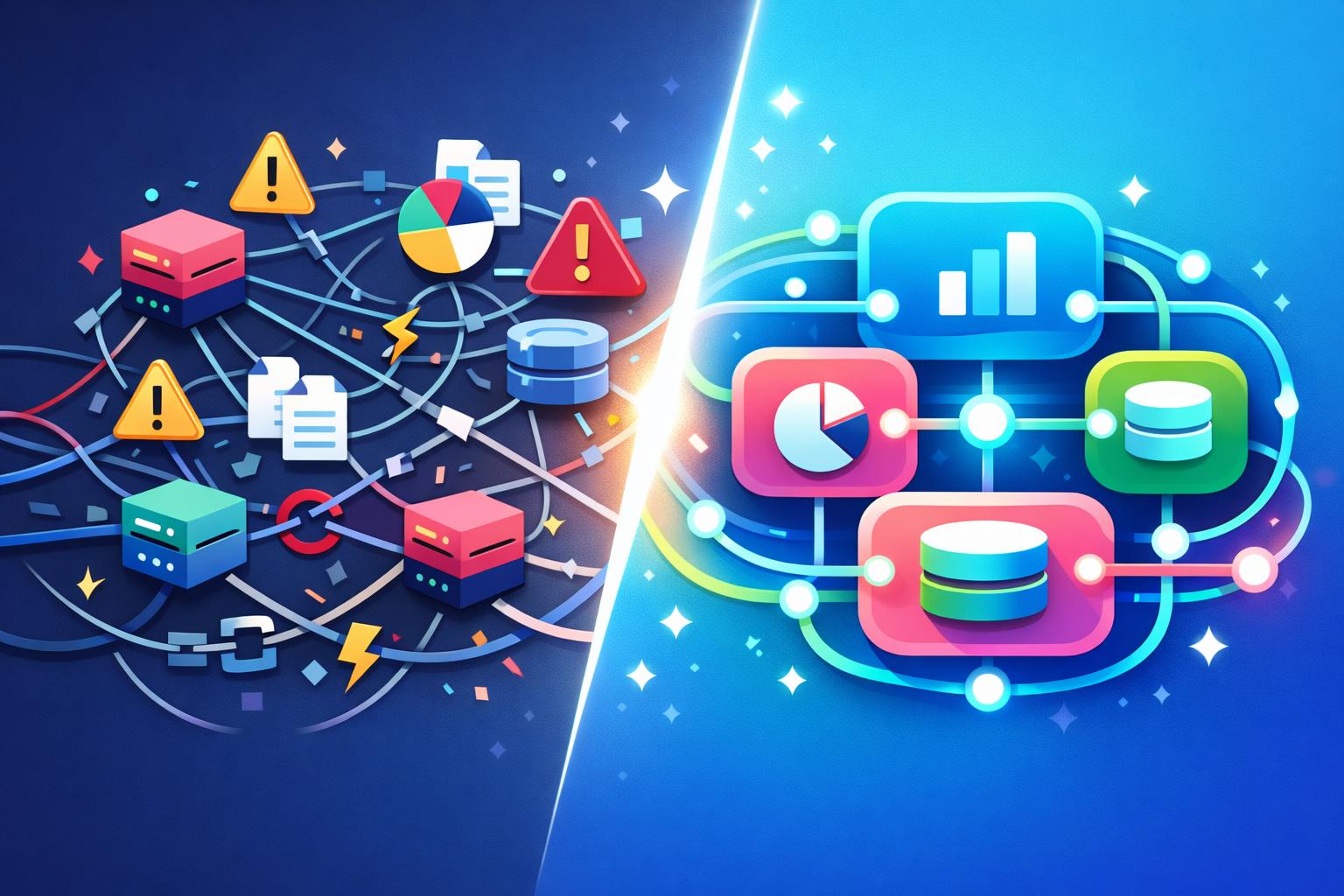
For small SaaS companies, integrations often feel like a balancing act between efficiency and fragility. Each new connection promises smoother workflows yet quietly adds complexity and risk. This post explores the most pressing SaaS integration challenges and solutions affecting small teams, from data mismatches and broken sync jobs to Duplicate records and API rate limits. You’ll learn why these issues hit small companies hardest and how adopting unified platforms can reduce integration pain altogether. More importantly, we’ll look at how simplifying architecture helps your team focus on customer value instead of endless maintenance.
Common Challenges in SaaS Integration
Small SaaS teams often build integrations reactively—adding connectors as new tools come online. Over time, this piecemeal approach introduces compounding complexity. The most frequent issues include data format mismatches, API rate limits, broken sync jobs, and duplicate records.
- Data format mismatches between systems lead to failed or partial syncs that quietly corrupt information.
- API rate limits slow or halt high-volume operations during critical reporting windows.
- Broken sync jobs—caused by field name changes or expired credentials—can go unnoticed for days.
- Duplicate records appear when multiple systems create conflicting “sources of truth.”
These challenges don’t just disrupt operations—they erode trust in metrics and introduce manual cleanup work that drains development time. For example, engineers often write long-term transformation logic to align mismatched schemas, which subtly pulls focus away from product innovation. Furthermore, when sync jobs fail silently, small teams lack the bandwidth to monitor and patch them quickly, compounding downstream errors.
“Individually manageable, these integration failures collectively create a fragile ecosystem that small SaaS teams struggle to keep stable.”
Reducing Integration Risk by Design
The conventional fix for integration problems is layering more tools—middleware, monitoring scripts, or automation workflows. While these can help short term, they don’t eliminate fragility. The better solution is designing infrastructure that reduces the need for integrations altogether.
Unified platforms address the root cause: fragmentation. When CRM, marketing, and finance data live in the same schema, mismatched formats vanish. Systems such as MainFoundry’s unified CRM and contact management provide consistent identifiers across departments—no field mapping required. Similarly, API rate limits become less punishing when fewer external calls are made; consolidated systems handle data internally, ensuring reliable performance.
When integrations depend on third-party updates, stable operation becomes impossible. Platforms that control the entire data lifecycle—like MainFoundry’s centralized model—avoid broken syncs stemming from external changes. And because marketing, sales, and billing reference shared records, duplication largely disappears. A connected view combining marketing analytics and attribution with CRM data simplifies reporting across teams.
Custom workspaces add further flexibility. Instead of connecting new specialized tools, teams can build internal workflows directly within their existing environments. MainFoundry’s custom workspaces and resource tables allow tracking projects, onboarding, and support processes without adding new integration points. Even AI tools benefit from this coherence—AI-powered workflow tools analyze unified data seamlessly instead of stitching fragmented sources together.
Fewer integrations mean fewer credentials, failures, and compliance headaches—freeing small teams to focus on product growth rather than firefighting.
Additionally, consistent data security and access controls simplify audits and protect sensitive data from cross-vendor exposure. For small teams, this architectural shift saves time, reduces complexity, and builds operational resilience from day one.
Key Takeaways
Integration complexity doesn’t have to define how small SaaS teams operate. The more fragmented your system, the more often your team fights mismatched data and broken syncs. Consolidating CRM, marketing, finance, and internal workflows into one cohesive environment removes entire categories of risk before they appear.
- Start by identifying integrations that duplicate data or overlap in function.
- Evaluate unified platforms like MainFoundry to see how consolidation can boost reliability.
- If integration maintenance feels like a second product, revisit your architecture now rather than later.
- Understanding integration risk is the first step toward sustainable SaaS operations.
Related Reading
Check out Unified CRM Implementation Strategies for more insights on streamlining data operations across teams.